
.svg)

.svg)
.svg)
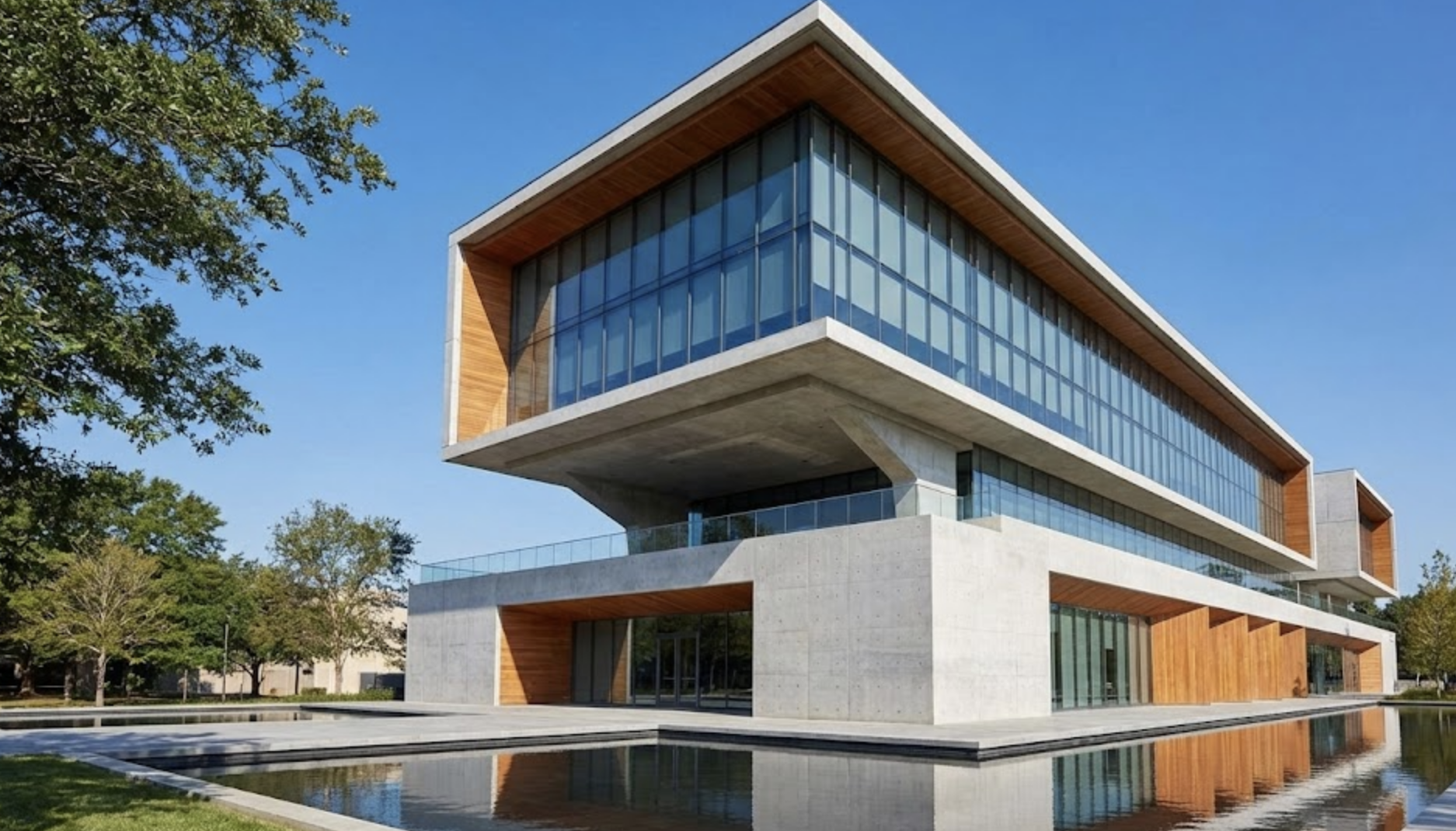
In an era defined by energy efficiency and sustainability, natural ventilation has re-emerged as one of the most valuable strategies in architectural design.
While mechanical HVAC systems continue to play an essential role in maintaining thermal comfort, the ability to harness and optimise natural airflow is fundamental to achieving both performance and wellbeing in modern buildings.
From multi-residential developments to large commercial environments, a well-designed ventilation strategy does more than move air — it shapes the experience of space.
The Principles of Natural Ventilation
Natural ventilation uses pressure differences caused by wind and temperature variations to move fresh air through a building.
When combined with thoughtful architectural planning, this passive strategy reduces dependence on mechanical cooling and improves indoor air quality.
Two primary mechanisms define how air flows naturally through a structure:
Cross Ventilation
Fresh air enters on one side of a building and exits on the opposite, flushing out warm or stale air. The efficiency of this system depends on window placement, façade openings, and unobstructed airflow pathways.
Stack Effect
As warm air rises, it creates negative pressure at lower levels, drawing cooler air inside. By strategically locating openings at low and high points — such as operable clerestory windows or rooftop vents — architects can create a natural convection cycle that enhances vertical airflow.
Integrating Natural and Mechanical Systems
In high-performance buildings, natural ventilation rarely acts alone.
Instead, it operates as part of a hybrid system that blends passive airflow with mechanical precision. This integration ensures reliable comfort during periods when outdoor conditions make natural ventilation insufficient — such as high humidity, still air, or extreme temperatures.
Hybrid ventilation may include:
- Low-energy mechanical assistance to maintain air movement during low wind conditions.
- Automated louvres and dampers connected to building management systems (BMS), allowing intelligent switching between natural and mechanical modes.
- Energy Recovery Ventilation (ERV) systems that preserve thermal efficiency while introducing fresh air.
This synergy delivers both resilience and adaptability — critical qualities in Australia’s variable climate.
Architectural Considerations for Effective Natural Ventilation
To achieve measurable results, natural ventilation must be embedded into the architectural concept, not added later as a technical adjustment.
Collaboration between architects, builders, and mechanical engineers at the design stage ensures airflow principles align with both form and function.
Key design factors include:
- Building Orientation: Aligning openings with prevailing wind directions maximises cross-flow potential.
- Thermal Zoning: Grouping rooms based on heat loads and ventilation potential improves control and comfort.
- Openings and Operability: Windows, vents, and louvres must be sized and positioned for effective air exchange without creating drafts.
- Acoustic and Security Considerations: Ventilation paths should maintain privacy and noise control while ensuring safety and compliance.
- Materiality: Thermal mass and surface finishes influence how heat is absorbed, stored, and released within the building envelope.
By integrating these elements, architects create spaces that breathe naturally — responsive, balanced, and inherently sustainable.
The Human and Environmental Benefits
Beyond reducing energy use, natural ventilation enhances the human experience of architecture.
Fresh air circulation supports cognitive performance, regulates humidity, and improves overall wellbeing.
For commercial buildings, this translates to increased productivity and reduced absenteeism.
In residential environments, it enhances comfort, reduces reliance on air conditioning, and supports healthier indoor climates.